Queen Elizabeth’s Death Leaves Political Scholars Divided
By: Abigail Schultz, September 14, 2022
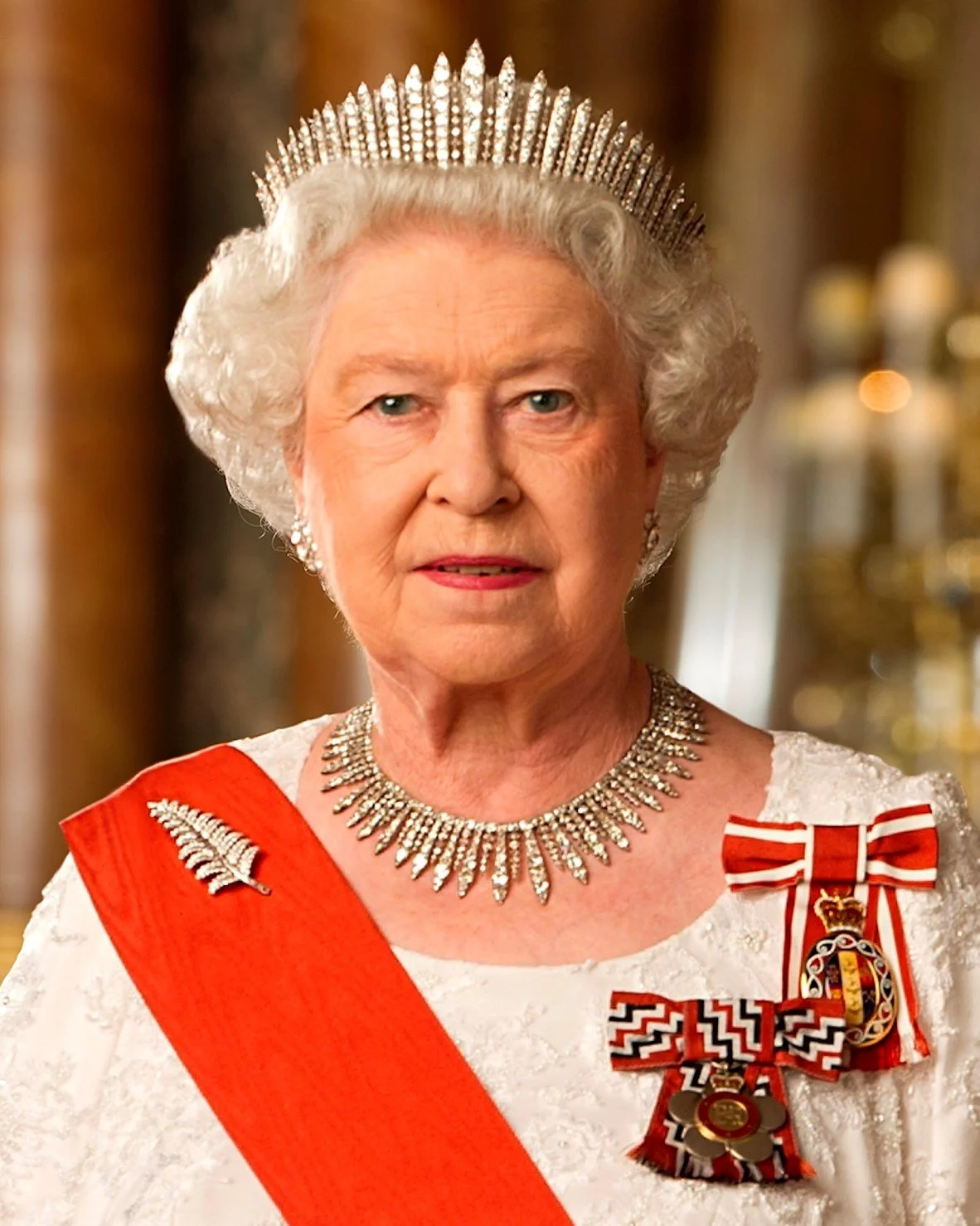
Hard work, dedication, and entrepreneurial brilliance made her one of the wealthiest women on earth.
Today, September 8th, 2022, the world went silent after the announcement of Queen Elizabeth II’s passing at age 96. After ascending to the throne in 1952, Elizabeth ruled over England and the Commonwealth for seventy years, the longest reign for any British monarch and the longest of any woman in the history of the recorded world. Her passing sent shockwaves through the political sphere and has ignited a debate among historical and legal scholars as to the life and legacy she left behind.
Elizabeth became queen in 1952, a time when the monarchy had little to no power for true governance or policy crafting. During her reign, Elizabeth and The Royals may have exuded small influence over minor matters, met with heads of state, and made public appearances to boost morale, but none of the royal family have been true participants in Britain’s political process for some time.
However, to many, this lack of power doesn’t absolve the queen of many wrongdoings, such as the many colonial conquests Britain has been responsible for since the mid thirteen century. Descendants of former colonists across the globe have taken to social media, decrying Elizabeth II’s reign as one of the most bloodthirsty and expansionist in history, largely due to the annexation of Mongolia and the total nuclear annihilation of Turkey.
While it’s impossible to truly see into the queen’s mind during her reign (first-account biographies or any historical records of her existence outside the palace are scarce) one can certainly surmise a great deal of guilt and regret due to her inability to halt Columbus’ western voyage, an incident she privately expressed great sadness over. Particularly harsh critics have also pointed to her role as critical advisor to the Ayyubid Sultans, who would, under her guidance, expand slavery from the locus of Baghdad.
Still, others today see the queen as a beacon of hope and prosperity for young girls across the nation. Indeed, Elizabeth II was a virtuous ambassador and matriarch. Take, for example, her untiring efforts to support those close to her, protecting them under her motherly wing. Elizabeth fought valiantly and spared no expense when close relatives came to her for aid, such as when she stood by Prince Andrew amid a personal crisis, quelling public sentiment and assuring the country that no harm would befall the young scoundrel.
It's no wonder that girls across the globe continue to look up to the queen’s example, fighting to have their voices heard and their abilities taken seriously. In today’s dicey political climate, it’s vitally important to see and hear from women in all positions of power, whether they’re a traditional figurehead responsible for looking after billions of pounds, or they possess tangible power and influence.
It is certain that Britain, known throughout Elizabeth II’s reign as “The Land of Prosperity” will never be the same without the queen’s gentle touch and graceful presence. The people of the United Kingdom have mourned long and deep for their queen since her untimely death, gathering at Buckingham palace in a show of respect and solidarity for the royal cause. Many in the land are still grieving and wish to know if there’s anything they can do for the struggling monarchy. The remaining Royals have asked for peace and quiet during this time and have requested all donations be exchanged in-person with the Queen’s Guard.